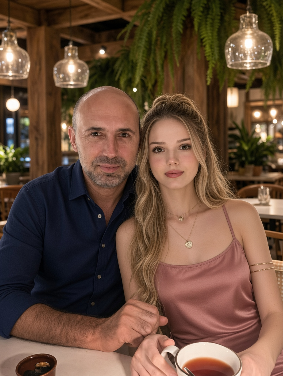
ΠΠ°ΠΉ-Π½Π°ΠΊΡΠ°Ρ ΠΈΠΌΠ° ΠΎΡΠ³ΠΎΠ²ΠΎΡ Π½Π° Π²ΡΠΏΡΠΎΡΠ° Π·Π°ΡΠΎ ΠΌΡΠΆΠ΅ΡΠ΅ ΠΏΡΠ΅Π΄ΠΏΠΎΡΠΈΡΠ°Ρ Π½ΠΈΡΠΊΠΈ ΠΈΠ»ΠΈ Π²ΠΈΡΠΎΠΊΠΈ ΠΆΠ΅Π½ΠΈ

ΠΡΠ΅ΠΊΠΈ ΠΌΡΠΆ ΠΈΠΌΠ° ΡΠ²ΠΎΠΈ ΡΠΎΠ±ΡΡΠ²Π΅Π½ΠΈ ΠΏΡΠ΅Π΄ΠΏΠΎΡΠΈΡΠ°Π½ΠΈΡ ΠΈ ΡΠ΅ Π²Π»ΠΈΡΡΡ Π½Π° Ρ ΠΎΡΠ°ΡΠ°, Ρ ΠΊΠΎΠΈΡΠΎ ΠΈΠ·Π»ΠΈΠ·Π°. ΠΠΎ Π΅ ΠΎΡΠΎΠ±Π΅Π½ΠΎ ΡΡΡΠ΄Π½ΠΎ Π΄Π° ΡΠ΅ ΠΈΠ³Π½ΠΎΡΠΈΡΠ° Π΅Π΄ΠΈΠ½ Π°ΡΠΏΠ΅ΠΊΡ β ΡΡΡΡΡΡ Π½Π° ΠΆΠ΅Π½Π°ΡΠ°.
Π Π°ΡΡΠΎΡΠ°ΡΠ° ΡΠ΅ΡΡΠΎ Π΅ ΠΏΡΡΠ²ΠΎΡΠΎ Π½Π΅ΡΠΎ, ΠΊΠΎΠ΅ΡΠΎ Π·Π°Π±Π΅Π»ΡΠ·Π²Π°ΡΠ΅ Ρ Π½ΡΠΊΠΎΠ³ΠΎ, ΠΊΠΎΠ³Π°ΡΠΎ Π³ΠΎ ΡΡΠ΅ΡΠ½Π΅ΡΠ΅. Π©Π΅ ΠΏΡΠ΅ΡΠ΅Π½ΠΈΡΠ΅ ΡΡΡΡΠ° ΠΌΡ Π²Π΅Π΄Π½Π°Π³Π° ΡΠΎΠΌ ΡΠ΅ ΠΏΡΠΈΠ±Π»ΠΈΠΆΠΈΡΠ΅ Π΄ΠΎ Π½Π΅Π³ΠΎ.
Π©Π΅ Π³ΠΎ Π·Π°Π±Π΅Π»Π΅ΠΆΠΈΡΠ΅, ΠΊΠΎΠ³Π°ΡΠΎ ΡΠ΅ ΠΏΠΎΠ³Π»Π΅Π΄Π½Π΅ΡΠ΅ Π² ΠΎΡΠΈΡΠ΅, ΡΠ΅ Π³ΠΎ ΠΎΡΡΠ·Π½Π°Π΅ΡΠ΅ ΠΏΡΡΠ²ΠΈΡ ΠΏΡΡ, ΠΊΠΎΠ³Π°ΡΠΎ Π³ΠΎ Ρ Π²Π°Π½Π΅ΡΠ΅ Π·Π° ΡΡΠΊΠ°, ΠΈ ΠΎΠΏΡΠ΅Π΄Π΅Π»Π΅Π½ΠΎ ΡΠ΅ Π³ΠΎ Π·Π°Π±Π΅Π»Π΅ΠΆΠΈΡΠ΅ ΠΏΡΡΠ²ΠΈΡ ΠΏΡΡ, ΠΊΠΎΠ³Π°ΡΠΎ ΡΡΠ΅ Π·Π°Π΅Π΄Π½ΠΎ Π² Π»Π΅Π³Π»ΠΎΡΠΎ.
ΠΠ΅Π·Π°Π²ΠΈΡΠΈΠΌΠΎ Π΄Π°Π»ΠΈ Ρ Π°ΡΠ΅ΡΠ²Π°ΡΠ΅ Π²ΠΈΡΠΎΠΊΠΈ ΠΈΠ»ΠΈ Π΄ΡΠ΅Π±Π½ΠΈ ΠΆΠ΅Π½ΠΈ, Π½ΠΈΠΊΠΎΠΉ ΡΠΈΠΏ Π½Π΅ Π΅ ΡΠ½ΠΈΠ²Π΅ΡΡΠ°Π»Π½ΠΎ ΠΏΡΠ΅Π²ΡΠ·Ρ ΠΎΠΆΠ΄Π°Ρ. ΠΠΈ Π±ΠΈΠ»ΠΎ ΠΏΠΎΠ³ΡΠ΅ΡΠ½ΠΎ ΠΎΠ±Π°ΡΠ΅ Π΄Π° ΡΠ΅ ΠΎΡΡΠ΅ΡΠ΅, ΡΠ΅ Π²ΡΠ΅ΠΊΠΈ ΠΌΡΠΆ ΠΈΠΌΠ° ΡΠ²ΠΎΠΈ ΡΠΎΠ±ΡΡΠ²Π΅Π½ΠΈ ΠΏΡΠ΅Π΄ΠΏΠΎΡΠΈΡΠ°Π½ΠΈΡ.
ΠΠΎΠΊΠ°ΡΠΎ Π½ΡΠΊΠΎΠΈ ΠΌΡΠΆΠ΅ ΠΌΠΎΠΆΠ΅ Π΄ΠΎΡΠΈ Π΄Π° Π½Π΅ Π²Π·Π΅ΠΌΠ°Ρ ΠΏΡΠ΅Π΄Π²ΠΈΠ΄ ΡΡΡΡΠ°, ΠΊΠΎΠ³Π°ΡΠΎ ΠΌΠΈΡΠ»ΡΡ Π·Π° ΠΊΠ°ΡΠ΅ΡΡΠ²Π°ΡΠ°, ΠΊΠΎΠΈΡΠΎ ΠΈΡΠΊΠ°Ρ Π² Π΅Π΄Π½Π° ΠΆΠ΅Π½Π°, Π΄ΡΡΠ³ΠΈ Π½Π°Π±Π»ΡΠ³Π°Ρ ΠΌΠ½ΠΎΠ³ΠΎ Π½Π° βΠΌΠ΅ΡΠΊΠΈΡΠ΅β Π½Π° ΠΏΠΎΡΠ΅Π½ΡΠΈΠ°Π»Π½ΠΈΡΠ΅ ΠΏΠ°ΡΡΠ½ΡΠΎΡΠΊΠΈ (ΠΊΠ°Π»Π°ΠΌΠ±ΡΡ).
ΠΠΊΠΎ Π΅Π΄ΠΈΠ½ ΠΌΡΠΆ Π΅ Π½ΠΈΡΡΠΊ ΠΈ Π½Π΅ΡΠΈΠ³ΡΡΠ΅Π½, ΡΠΎΠΉ ΠΌΠΎΠΆΠ΅ Π΄Π° ΠΊΠΎΠΌΠΏΠ΅Π½ΡΠΈΡΠ° ΡΠΎΠ²Π°, ΠΊΠ°ΡΠΎ ΡΡΡΡΠΈ ΠΆΠ΅Π½Π°, ΠΊΠΎΡΡΠΎ Π΅ ΠΏΠΎ-Π½ΠΈΡΠΊΠ° ΠΎΡ Π½Π΅Π³ΠΎ.
ΠΠΎ Π°ΠΊΠΎ Π΅Π΄ΠΈΠ½ ΠΌΡΠΆ Π΅ Π½ΠΈΡΡΠΊ ΠΈ Π΅Π»Π΅Π³Π°Π½ΡΠ΅Π½, ΡΠΎΠΉ ΠΌΠΎΠΆΠ΅ Π΄Π° Π±ΡΠ΄Π΅ ΠΏΡΠΈΠ²Π»Π΅ΡΠ΅Π½ ΠΎΡ ΠΏΠΎ-Π²ΠΈΡΠΎΠΊΠ° ΠΆΠ΅Π½Π°. ΠΠΎΠΆΠ΅ Π±ΠΈ ΡΠ΅ Ρ ΠΏΠΎΠΌΠΎΠ³Π½Π΅ Π΄Π° Π½Π°ΠΌΠ΅ΡΠΈ ΠΊΠΎΠ»Π°ΡΠ° ΡΠΈ Π½Π° ΠΏΡΠ΅ΡΡΠΏΠΊΠ°Π½ ΠΏΠ°ΡΠΊΠΈΠ½Π³.
ΠΠΎΠΆΠ΅ Π±ΠΈ ΡΠ΅ Ρ ΠΏΡΠ΅Π΄Π»ΠΎΠΆΠΈ Π΄Π° Ρ ΠΏΠΎΠΌΠΎΠ³Π½Π΅ Π΄Π° ΡΡΠΈΠ³Π½Π΅ Π΄ΠΎ Π½Π°ΠΉ-Π³ΠΎΡΠ½ΠΈΡ ΡΠ°ΡΡ Π² ΠΌΠ°Π³Π°Π·ΠΈΠ½. Π¨Π΅Π³ΡΠ²Π°ΠΌ ΡΠ΅, ΡΠ°Π·Π±ΠΈΡΠ° ΡΠ΅ β Π½ΠΎ Π²ΡΠΏΡΠΎΡΡΡ Π΅, ΡΠ΅ ΠΈΠΌΠ° ΠΏΡΠ΅Π΄ΠΈΠΌΡΡΠ²Π° ΠΈ Π½Π΅Π΄ΠΎΡΡΠ°ΡΡΡΠΈ Π½Π° Π²Π°ΡΠΈΡ ΡΡΡΡ, ΠΊΠΎΠ³Π°ΡΠΎ ΡΡΡΡΠΈΡΠ΅ ΠΏΠ°ΡΡΠ½ΡΠΎΡ.
ΠΠΊΠΎ Π½ΡΠΊΠΎΠ³Π° ΡΡΠ΅ ΡΠ΅ ΡΡΠ΄ΠΈΠ»ΠΈ Π·Π°ΡΠΎ ΡΡΠ΅ ΠΎΡΠΎΠ±Π΅Π½ΠΎ ΠΏΡΠΈΠ²Π»Π΅ΡΠ΅Π½ΠΈ ΠΎΡ Π²ΠΈΡΠΎΠΊΠΈ ΠΈΠ»ΠΈ Π½ΠΈΡΠΊΠΈ ΠΆΠ΅Π½ΠΈ, Π½Π°ΡΠΊΠ°ΡΠ° ΠΌΠΎΠΆΠ΅ Π΄Π° ΠΈΠΌΠ° ΠΏΠΎ-Π΄ΡΠ»Π±ΠΎΠΊΠΎ ΠΎΠ±ΡΡΠ½Π΅Π½ΠΈΠ΅ Π·Π° Π²Π°ΡΠΈΡ βΡΠΈΠΏβ. ΠΡΠΎ ΠΊΠ°ΠΊΠ²ΠΎ ΠΊΠ°Π·Π²Π°Ρ ΠΈΠ·ΡΠ»Π΅Π΄Π²Π°Π½ΠΈΡΡΠ°.
ΠΠ°ΡΠΈΠ°Π½Ρ Π: ΠΠΈΡΠΎΠΊΠΈ ΠΆΠ΅Π½ΠΈ
ΠΠΌΠ° ΠΏΡΠΈΡΠΈΠ½Π°, ΠΏΠΎΡΠ°Π΄ΠΈ ΠΊΠΎΡΡΠΎ Π½Π°ΠΉ-ΠΈΠ·Π²Π΅ΡΡΠ½ΠΈΡΠ΅ Π΄ΠΈΠ·Π°ΠΉΠ½Π΅ΡΠΈ Π² ΡΠ²Π΅ΡΠ° ΠΈΠ·Π±ΠΈΡΠ°Ρ Π²ΠΈΡΠΎΠΊΠΈ ΠΆΠ΅Π½ΠΈ Π·Π° ΡΠ²ΠΎΠΈΡΠ΅ ΡΠ΅Π²ΡΡΠ°.
Π‘Π²Π΅ΡΡΡ Π½Π° ΠΌΠΎΠ΄Π°ΡΠ° ΠΏΡΠΎΠΌΠΎΡΠΈΡΠ° Π²ΠΈΡΠΎΠΊΠΈ, ΡΡΡΠΎΠΉΠ½ΠΈ ΠΆΠ΅Π½ΠΈ ΠΊΠ°ΡΠΎ βΠΈΠ΄Π΅Π°Π»Π½ΠΈΡβ ΡΠΈΠΏ. Π ΠΎΡΠ³ΠΎΠ²ΠΎΡ ΠΆΠ΅Π½ΠΈΡΠ΅ ΠΏΠΎ ΡΠ΅Π»ΠΈΡ ΡΠ²ΡΡ ΠΊΡΠΏΡΠ²Π°Ρ ΠΎΠ±ΡΠ²ΠΊΠΈ Π½Π° Π²ΠΈΡΠΎΠΊ ΡΠΎΠΊ (ΠΈΠ³Π½ΠΎΡΠΈΡΠ°ΠΉΠΊΠΈ Π΄ΠΈΡΠΊΠΎΠΌΡΠΎΡΡΠ°), Π·Π° Π΄Π° ΡΠΏΠ΅ΡΠ΅Π»ΡΡ Π½ΡΠΊΠΎΠ»ΠΊΠΎ ΡΠ°Π½ΡΠΈΠΌΠ΅ΡΡΠ°.
ΠΠΈΡΠΎΠΊΠΈΡΠ΅ ΠΆΠ΅Π½ΠΈ ΠΏΡΠΈΠ²Π»ΠΈΡΠ°Ρ Π²Π½ΠΈΠΌΠ°Π½ΠΈΠ΅ΡΠΎ. ΠΠΎΠ³Π°ΡΠΎ Π³ΡΡΠΏΠ° ΠΆΠ΅Π½ΠΈ Π²Π»ΡΠ·Π°Ρ Π² Π±Π°Ρ, ΠΏΠΎΠ²Π΅ΡΠ΅ΡΠΎ ΠΏΠΎΠ³Π»Π΅Π΄ΠΈ Π²Π΅Π΄Π½Π°Π³Π° ΡΠ΅ Π½Π°ΡΠΎΡΠ²Π°Ρ ΠΊΡΠΌ Π½Π°ΠΉ-Π²ΠΈΡΠΎΠΊΠ°ΡΠ° β ΠΏΡΠΎΡΡΠΎ Π·Π°ΡΠΎΡΠΎ ΡΡ Π΅ ΠΏΡΡΠ²Π°ΡΠ°, ΠΊΠΎΡΡΠΎ Π·Π°Π±Π΅Π»ΡΠ·Π²Π°.
Π ΠΊΠΎΠ³Π°ΡΠΎ ΠΌΡΠΆΠ΅ΡΠ΅ ΠΎΠ±ΡΡΠ²Π°Ρ Ρ Π²ΠΈΡΠΎΠΊΠΈ ΠΆΠ΅Π½ΠΈ, ΡΠ΅Π·ΡΠ»ΡΠ°ΡΡΡ ΠΊΠ°ΡΠΎ ΡΡΠ»ΠΎ Π΅ ΠΏΠΎΠ»ΠΎΠΆΠΈΡΠ΅Π»Π΅Π½, ΠΊΠ°ΠΊΡΠΎ ΠΎΠ±ΡΡΠ½ΡΠ²Π° Π ΠΎΠ΄ΠΆΡΡ ΠΠΎΠ±ΡΡΠ½ ΠΏΡΠ΅Π΄ The ββIndependent.
Π‘ΠΏΠΎΡΠ΅Π΄ ΠΠΎΠ±ΡΡΠ½ βΠΊΠ°ΠΊΡΠΎ ΠΌΡΠΆΠ΅ΡΠ΅, ΡΠ°ΠΊΠ° ΠΈ ΠΆΠ΅Π½ΠΈΡΠ΅ Π²ΡΠ·ΠΏΡΠΈΠ΅ΠΌΠ°Ρ Π²ΠΈΡΠΎΠΊΠ°ΡΠ° ΠΆΠ΅Π½Π° ΠΊΠ°ΡΠΎ ΠΏΠΎ-ΠΈΠ½ΡΠ΅Π»ΠΈΠ³Π΅Π½ΡΠ½Π°, ΠΏΠΎ-ΡΠ²Π΅ΡΠ΅Π½Π°, ΠΏΠΎ-Π½Π΅Π·Π°Π²ΠΈΡΠΈΠΌΠ° ΠΈ ΠΏΠΎ-Π°ΠΌΠ±ΠΈΡΠΈΠΎΠ·Π½Π° Π½Π° ΠΏΡΡΠ² ΠΏΠΎΠ³Π»Π΅Π΄β.
ΠΠΎΠ±ΡΡΠ½ ΠΎΠ±ΡΡΠ½ΡΠ²Π° ΡΡΡΠΎ, ΡΠ΅ ΠΌΡΠΆΠ΅ΡΠ΅ Π²ΡΠ·ΠΏΡΠΈΠ΅ΠΌΠ°Ρ Π²ΠΈΡΠΎΠΊΠΈΡΠ΅ ΠΆΠ΅Π½ΠΈ ΠΊΠ°ΡΠΎ ΠΏΠΎ-Π±ΠΎΠ³Π°ΡΠΈ ΠΈ ΠΏΠΎ-ΡΡΠΏΠ΅ΡΠ½ΠΈ.
Π’Π΅Π·ΠΈ ΠΏΡΡΠ²ΠΎΠ½Π°ΡΠ°Π»Π½ΠΈ Π²ΠΏΠ΅ΡΠ°ΡΠ»Π΅Π½ΠΈΡ Π½Π΅ Π³Π°ΡΠ°Π½ΡΠΈΡΠ°Ρ ΡΡΠ°ΠΉΠ½Π° Π²ΡΡΠ·ΠΊΠ°. ΠΠΎ ΡΠ΅ Π΄Π°Π²Π°Ρ ΠΏΡΠ΅Π΄ΠΈΠΌΡΡΠ²ΠΎ Π½Π° Π²ΠΈΡΠΎΠΊΠΈΡΠ΅ ΠΆΠ΅Π½ΠΈ (Π±Π΅Π· ΠΊΠ°Π»Π°ΠΌΠ±ΡΡ). ΠΠ°ΠΊΠ°Ρ ΡΠ΅ ΡΠ΅Π·ΠΈ ΠΏΡΠ΅ΡΠ΅Π½ΠΊΠΈ ΠΌΠΎΠΆΠ΅ Π΄Π° ΠΈΠ·Π³Π»Π΅ΠΆΠ΄Π°Ρ ΠΏΠΎΠ²ΡΡΡ Π½ΠΎΡΡΠ½ΠΈ, Π»Π΅ΡΠ½ΠΎ Π΅ Π΄Π° ΡΠ΅ Π²ΠΈΠ΄ΠΈ ΠΎΡΠΊΡΠ΄Π΅ ΠΈΠ΄Π²Π°Ρ.
ΠΠΎΠ³Π°ΡΠΎ ΠΌΠΈΡΠ»Ρ Π·Π° Π²ΠΈΡΠΎΠΊΠ° ΠΆΠ΅Π½Π°, ΠΏΠΎΡΡΠΈ Π²ΠΈΠ½Π°Π³ΠΈ ΡΠ΅ ΡΠ΅ΡΠ°ΠΌ Π·Π° Π£ΠΌΠ° Π’ΡΡΠΌΠ°Π½ ΠΈΠ»ΠΈ ΠΠ°ΡΠΈΡ Π¨Π°ΡΠ°ΠΏΠΎΠ²Π° β Π²ΠΈΡΠΎΠΊΠΈ, ΡΡΡΠΈ, Π°Π»ΡΠ° ΠΆΠ΅Π½ΠΈ.
Π Π΄Π²Π΅ΡΠ΅ ΡΠ° ΠΌΠ½ΠΎΠ³ΠΎ ΡΠ΅ΡΠΈΡΠ΅Π»Π½ΠΈ. Π ΠΌΠ°ΠΊΠ°Ρ ΡΠ΅ Π½Π΅ Π²ΡΠΈΡΠΊΠΈ Π²ΠΈΡΠΎΠΊΠΈ ΠΆΠ΅Π½ΠΈ ΡΠ° ΡΠΎΠ»ΠΊΠΎΠ²Π° ΡΠΈΠ»Π½ΠΈ, ΠΊΠΎΠ»ΠΊΠΎΡΠΎ ΡΡΡ , ΡΡΡΡΡΡ ΠΌΠΎΠΆΠ΅ Π΄Π° ΠΏΠΎΠ΄ΡΠΊΠ°ΠΆΠ΅ ΡΠ΅ΡΡΠΈ Π½Π° Π»ΠΈΡΠ½ΠΎΡΡΡΠ°.
ΠΠΎΠ±ΡΡΠ½ ΠΎΠ±ΡΡΠ½ΡΠ²Π°, ΡΠ΅ ΠΌΡΠΆΠ΅ΡΠ΅ ΠΏΡΠ°Π²ΡΡ ΠΌΠ½ΠΎΠ³ΠΎ Π·Π°ΠΊΠ»ΡΡΠ΅Π½ΠΈΡ Π·Π° Π΅Π΄Π½Π° ΠΆΠ΅Π½Π° Π²ΡΠ· ΠΎΡΠ½ΠΎΠ²Π° Π½Π° Π½Π΅ΠΉΠ½ΠΈΡ ΡΡΡΡ.
ΠΡΠΈΡ ΠΎΠ»ΠΎΠ·ΠΈ ΠΎΡ ΡΠ½ΠΈΠ²Π΅ΡΡΠΈΡΠ΅ΡΠΈΡΠ΅ Π² ΠΠΈΠ²ΡΡΠΏΡΠ» ΠΈ Π¦Π΅Π½ΡΡΠ°Π»Π΅Π½ ΠΠ°Π½ΠΊΠ°ΡΠΈΡ ΡΠ΅ ΠΎΠΏΠΈΡΠ²Π°Ρ Π΄Π° ΡΠ°Π·Π±Π΅ΡΠ°Ρ ΠΏΠΎ-Π΄ΠΎΠ±ΡΠ΅ Π΄ΠΈΡΠΊΡΠΈΠΌΠΈΠ½Π°ΡΠΈΡΡΠ° ΠΏΠΎ ΡΡΡΡ β ΡΠ΅Π½Π΄Π΅Π½ΡΠΈΡ, ΠΊΠΎΡΡΠΎ Π΅ ΠΏΠΎΠ²Π»ΠΈΡΠ»Π° Π½Π° ΠΌΡΠΆΠΊΠ°ΡΠ° ΠΊΠΎΠ½ΠΊΡΡΠ΅Π½ΡΠΈΡ ΠΎΡ Π·ΠΎΡΠ°ΡΠ° Π½Π° ΠΈΡΡΠΎΡΠΈΡΡΠ°.
ΠΠΎ βΡΠ°Π»ΠΈΠ·ΠΌΡΡβ Π½Π΅ ΡΠ΅ ΠΎΠ³ΡΠ°Π½ΠΈΡΠ°Π²Π° Π΄ΠΎ Π±ΠΈΡΠΊΠΈ Π½Π° Π΅Π³ΠΎΡΠΎ ΠΌΠ΅ΠΆΠ΄Ρ ΠΌΡΠΆΠ΅ΡΠ΅; ΡΠΎΠΉ ΡΡΡΠΎ ΠΈΠ³ΡΠ°Π΅ Π³ΠΎΠ»ΡΠΌΠ° ΡΠΎΠ»Ρ ΠΏΡΠΈ ΠΈΠ·Π±ΠΎΡΠ° Π½Π° ΠΏΠ°ΡΡΠ½ΡΠΎΡ.
Π Π΅Π΄Π½ΠΎ ΠΏΡΠΎΡΡΠ²Π°Π½Π΅ ΠΌΡΠΆΠ΅ΡΠ΅ ΡΠ° Π±ΠΈΠ»ΠΈ ΠΏΠΎΠΌΠΎΠ»Π΅Π½ΠΈ Π΄Π° ΠΏΡΠ΅ΡΠ΅Π½ΡΡ Π»ΠΈΡΠ½ΠΎΡΡΡΠ° Π½Π° ΠΆΠ΅Π½ΠΈΡΠ΅, ΡΠΈΠΈΡΠΎ ΠΈΠ·ΠΎΠ±ΡΠ°ΠΆΠ΅Π½ΠΈΡ ΡΠ° Π±ΠΈΠ»ΠΈ Π΄ΠΈΠ³ΠΈΡΠ°Π»Π½ΠΎ ΠΏΡΠΎΠΌΠ΅Π½Π΅Π½ΠΈ, Π·Π° Π΄Π° ΠΈΠ·Π³Π»Π΅ΠΆΠ΄Π°Ρ ΠΏΠΎ-Π²ΠΈΡΠΎΠΊΠΈ ΠΈΠ»ΠΈ ΠΏΠΎ-Π½ΠΈΡΠΊΠΈ.
Π Π΅Π·ΡΠ»ΡΠ°ΡΠΈΡΠ΅ ΡΠ° βΠΏΡΡΠ²ΠΎΡΠΎ ΠΏΡΡΠΊΠΎ Π΄ΠΎΠΊΠ°Π·Π°ΡΠ΅Π»ΡΡΠ²ΠΎ, ΡΠ΅ ΡΡΡΡΡΡ Π½Π° ΠΆΠ΅Π½Π°ΡΠ° Π²Π»ΠΈΡΠ΅ Π²ΡΡΡ Ρ Π²ΡΠ·ΠΏΡΠΈΡΡΠΈΡΡΠ° Π·Π° Π½Π΅ΠΉΠ½ΠΈΡ Ρ Π°ΡΠ°ΠΊΡΠ΅Ρβ, ΠΎΠ±ΡΡΠ½ΠΈ Π΄-Ρ Π‘Π°ΠΉΠΌΡΠ½ Π§Ρ, ΠΊΠΎΠΉΡΠΎ Π΅ ΡΡΠ°ΡΡΠ²Π°Π» Π² ΠΏΡΠΎΡΡΠ²Π°Π½Π΅ΡΠΎ.
ΠΠ°ΡΠΈΠ°Π½Ρ Π: ΠΠΈΡΠΊΠΈ ΠΆΠ΅Π½ΠΈ
ΠΠΎΠΊΠ°Π·Π°ΡΠ΅Π»ΡΡΠ²Π°ΡΠ° ΠΎΡ ΠΏΡΠΎΡΡΠ²Π°Π½ΠΈΡΡΠ° Π²ΡΡΡ Ρ βΡΠ°Π»ΠΈΠ·ΠΌΠ°β Π½Π΅ ΡΠ° ΠΈΠ·ΡΡΠ»ΠΎ Π² ΠΏΠΎΠ»Π·Π° Π½Π° Π²ΠΈΡΠΎΠΊΠΈΡΠ΅ ΠΆΠ΅Π½ΠΈ. ΠΡΡΡΠ½ΠΎΡΡ ΡΠ΅ ΡΠ΅ΡΡΠΎ ΠΏΠΎΠΊΠ°Π·Π²Π°Ρ, ΡΠ΅ ΠΌΡΠΆΠ΅ΡΠ΅ Π³Π»Π΅Π΄Π°Ρ Π½Π° Π½ΠΈΡΠΊΠΈΡΠ΅ ΠΆΠ΅Π½ΠΈ Π² Π΅Π΄Π½Π°ΠΊΠ²ΠΎ ΠΏΠΎΠ»ΠΎΠΆΠΈΡΠ΅Π»Π½Π° ΡΠ²Π΅ΡΠ»ΠΈΠ½Π°.
ΠΡΠΏΡΠ΅ΠΊΠΈ ΡΠ΅ ΠΌΡΠΆΠ΅ΡΠ΅ ΠΌΠΎΠ³Π°Ρ Π΄Π° Π½Π°ΠΌΠΈΡΠ°Ρ Π²ΠΈΡΠΎΠΊΠΈΡΠ΅ ΠΆΠ΅Π½ΠΈ Π·Π° ΠΏΠΎ-ΠΊΠΎΠ½Π²Π΅Π½ΡΠΈΠΎΠ½Π°Π»Π½ΠΎ ΠΏΡΠΈΠ²Π»Π΅ΠΊΠ°ΡΠ΅Π»Π½ΠΈ β ΠΈ Π΄ΠΎΡΠΈ ΠΏΠΎ-ΠΈΠ½ΡΠ΅Π»ΠΈΠ³Π΅Π½ΡΠ½ΠΈ β ΠΎΡ Π½ΠΈΡΠΊΠΈΡΠ΅ ΠΆΠ΅Π½ΠΈ, ΠΌΠ½ΠΎΠ·ΠΈΠ½Π° Π²ΡΠ·ΠΏΡΠΈΠ΅ΠΌΠ°Ρ ΠΏΠΎΡΠ»Π΅Π΄Π½ΠΈΡΠ΅ ΠΊΠ°ΡΠΎ βΠΏΠΎ-Π³ΡΠΈΠΆΠΎΠ²Π½ΠΈ ΠΈ ΠΏΠΎ-ΠΏΠΎΠ΄Ρ ΠΎΠ΄ΡΡΠΈ Π·Π° ΠΌΠ°ΠΉΡΠΈΠ½ΡΡΠ²ΠΎβ.
Π‘ΠΏΠΎΡΠ΅Π΄ ΠΠΎΠ±ΡΡΠ½ βΠΌΡΠΆΠ΅ΡΠ΅ Π²ΡΡΠ²Π°Ρ, ΡΠ΅ ΠΏΠΎ-Π½ΠΈΡΠΊΠΈΡΠ΅ ΠΆΠ΅Π½ΠΈ ΡΠ° ΠΏΠΎ-Π²Π½ΠΈΠΌΠ°ΡΠ΅Π»Π½ΠΈ, Π³ΡΠΈΠΆΠΎΠ²Π½ΠΈ ΠΈ ΠΏΠΎ-Π΄ΠΎΠΌΠ°ΡΠ½ΠΈβ.
Π’ΠΎΠ²Π° Π·Π°ΠΊΠ»ΡΡΠ΅Π½ΠΈΠ΅ ΠΌΠΎΠΆΠ΅ Π΄Π° ΠΏΡΠΎΠΈΠ·ΡΠΈΡΠ° ΠΎΡ ΠΏΡΡΠ²ΠΎΠ½Π°ΡΠ°Π»Π½ΠΎΡΠΎ ΡΠ±Π΅ΠΆΠ΄Π΅Π½ΠΈΠ΅, ΡΠ΅ Π½ΠΈΡΠΊΠΈΡΠ΅ ΠΆΠ΅Π½ΠΈ Π½Π΅ ΡΠ° ΠΏΠ»Π°ΡΠ΅ΡΠΈ.
ΠΠ½ΠΎΠ³ΠΎ ΠΏΠΎ-Π½ΠΈΡΠΊΠΈ ΠΌΡΠΆΠ΅ ΡΡΡΠ±Π²Π° Π΄Π° ΠΏΡΠ΅ΠΎΠ΄ΠΎΠ»Π΅ΡΡ ΡΡΡΠ°Ρ Π° ΡΠΈ ΠΎΡ ΡΡΠ΅ΡΠΈ Ρ ΠΆΠ΅Π½ΠΈ, ΠΊΠΎΠΈΡΠΎ ΡΠ° ΠΏΠΎ-Π²ΠΈΡΠΎΠΊΠΈ ΠΎΡ ΡΡΡ . ΠΠ½ΠΎΠ³ΠΎ ΠΌΡΠΆΠ΅ Π½Π°ΠΌΠΈΡΠ°Ρ Π²ΠΈΡΠΎΠΊΠΈΡΠ΅ ΠΆΠ΅Π½ΠΈ Π·Π° ΠΏΠΎ-Π²Π½ΡΡΠΈΡΠ΅Π»Π½ΠΈ β Π° ΠΏΠΎ-Π½ΠΈΡΠΊΠΈΡΠ΅ ΠΆΠ΅Π½ΠΈ Π·Π° ΠΏΠΎ-ΠΏΡΠΈΠ²Π»Π΅ΠΊΠ°ΡΠ΅Π»Π½ΠΈ.
Π‘ΠΏΠΎΡΠ΅Π΄ Π΄ΠΎΠΊΠ»Π°Π΄ Π½Π° Daily Mail, ΠΈΠ·ΡΠ»Π΅Π΄ΠΎΠ²Π°ΡΠ΅Π»ΠΈΡΠ΅ ΠΏΡΠ΅Π΄ΠΏΠΎΠ»Π°Π³Π°Ρ, ΡΠ΅ βΠ½ΠΈΡΠΊΠΈΡΠ΅ ΠΆΠ΅Π½ΠΈ Ρ Π΄ΡΠ»Π³ΠΈ ΠΊΡΠ°ΠΊΠ°β ΡΠ°, Π΅ΠΌΠΏΠΈΡΠΈΡΠ½ΠΎ, Π½Π°ΠΉ-ΠΏΡΠΈΠ²Π»Π΅ΠΊΠ°ΡΠ΅Π»Π½ΠΈΡΡ βΡΠΈΠΏβ.
Π-Ρ Π£ΠΈΠ»ΡΠΌ ΠΡΠ°ΡΠ½ ΠΎΡ ΡΠ½ΠΈΠ²Π΅ΡΡΠΈΡΠ΅ΡΠ° ΠΡΡΠ½Π΅Π» Π·Π°ΡΠ²ΡΠ²Π°, ΡΠ΅ βΠΏΠΎ-Π½ΠΈΡΠΊΠΈΡΠ΅, ΠΏΠΎ-ΡΠ»Π°Π±ΠΈ ΠΆΠ΅Π½ΠΈ Ρ ΠΏΠΎ-ΡΠ»Π°Π±ΠΈ ΠΊΡΠ°ΠΉΠ½ΠΈΡΠΈ ΠΈ ΠΏΠΎ-Π³ΠΎΠ»Π΅ΠΌΠΈ Π³ΡΡΠ΄ΠΈ ΡΠ΅ ΡΡΠΈΡΠ°Ρ Π·Π° ΠΏΠΎ-ΠΏΡΠΈΠ²Π»Π΅ΠΊΠ°ΡΠ΅Π»Π½ΠΈβ.
Π-Ρ ΠΡΠ°ΡΠ½ ΠΎΠ±ΡΡΠ½ΡΠ²Π° ΡΠ°Π·ΡΡΠΆΠ΄Π΅Π½ΠΈΡΡΠ° ΡΠΈ ΡΡΠ΅Π· ΠΊΠΎΠ½ΡΠ΅ΠΏΡΠΈΡΡΠ° Π·Π° ΡΠΈΠΌΠ΅ΡΡΠΈΡ Π½Π° ΡΡΠ»ΠΎΡΠΎ. ΠΠΎΠΊΠ°ΡΠΎ Π²ΠΈΡΠΎΠΊΠΈΡΠ΅, ΡΠ»Π°Π±ΠΈ ΠΆΠ΅Π½ΠΈ ΠΌΠΎΠΆΠ΅ Π΄Π° ΠΈΠ·Π³Π»Π΅ΠΆΠ΄Π°Ρ Π½Π°ΠΉ-Π΅Π»Π΅Π³Π°Π½ΡΠ½ΠΎ Π½Π° ΠΌΠΎΠ΄Π½ΠΈΡ ΠΏΠΎΠ΄ΠΈΡΠΌ, ΠΏΠΎ-Π½ΠΈΡΠΊΠΈΡΠ΅, ΠΏΠΎ-ΠΏΡΠΎΠΏΠΎΡΡΠΈΠΎΠ½Π°Π»Π½ΠΈ ΠΆΠ΅Π½ΠΈ Π²ΡΡΡΠ½ΠΎΡΡ ΡΠ° ΠΏΠΎ-Π΅ΡΡΠ΅ΡΠΈΡΠ΅ΡΠΊΠΈ ΠΏΡΠΈΡΡΠ½ΠΈ.
Π ΠΊΡΠ°ΠΉΠ½Π° ΡΠΌΠ΅ΡΠΊΠ°, ΡΡΡΡΡΡ Π΅ ΠΏΡΠΎΡΡΠΎ ΡΠΈΡΠ»ΠΎ. ΠΠΎ Π²Π°ΡΠΈΡΡ ΠΈΠ·Π±ΠΎΡ ΠΌΠ΅ΠΆΠ΄Ρ Π²ΠΈΡΠΎΠΊΠ° ΠΈΠ»ΠΈ Π½ΠΈΡΠΊΠ° ΠΆΠ΅Π½Π° ΠΌΠΎΠΆΠ΅ Π΄Π° ΡΠ°Π·ΠΊΡΠΈΠ΅ ΠΊΠ°ΠΊΠ²ΠΈ Π΄ΡΡΠ³ΠΈ ΡΠ΅ΡΡΠΈ Π½Π°ΠΌΠΈΡΠ°ΡΠ΅ Π·Π° ΠΏΡΠΈΠ²Π»Π΅ΠΊΠ°ΡΠ΅Π»Π½ΠΈ.
ΠΠΊΠΎ ΡΡΠ΅ ΠΌΡΠΆ, ΠΊΠΎΠΉΡΠΎ Ρ Π°ΡΠ΅ΡΠ²Π° Π²ΠΈΡΠΎΠΊΠΈ ΠΆΠ΅Π½ΠΈ, Π²Π΅ΡΠΎΡΡΠ½ΠΎ ΡΠ΅Π½ΠΈΡΠ΅ ΠΏΠΎ-Π½Π΅Π·Π°Π²ΠΈΡΠΈΠΌΠ° ΠΈ ΡΠ²Π΅ΡΠ΅Π½Π° ΠΏΠ°ΡΡΠ½ΡΠΎΡΠΊΠ°. ΠΠΊΠΎ ΡΡΠ΅ ΠΏΠΎ-Π½ΠΈΡΡΠΊ, ΠΌΠΎΠΆΠ΅ Π±ΠΈ ΡΡΡΡΠΈΡΠ΅ ΠΏΠΎ-ΠΏΡΠΈΠ²ΡΡΠ·Π°Π½Π° ΠΈ Π³ΡΠΈΠΆΠΎΠ²Π½Π° ΠΆΠ΅Π½Π°.
ΠΡΠΆΠ΅ΡΠ΅ ΠΏΡΠ΅Π΄ΠΏΠΎΡΠΈΡΠ°Ρ Π½ΠΈΡΠΊΠΈ ΠΆΠ΅Π½ΠΈ, Π·Π°ΡΠΎΡΠΎ ΠΈΠΌΠ°Ρβ¦ ΠΠΈΠΆΡΠ΅ ΠΎΡΠ΅
A fascinating new study published inΒ Frontiers in PsychologyΒ has uncovered intriguing details about the role ofΒ heightΒ in romantic preferences. The study, which involved participants from several countries, provides fresh insights into why men tend to prefer shorter women, especially in certain relationship contexts, and why women generally gravitate toward taller men. The findings also suggest thatΒ heightΒ plays a more complex role in our romantic choices than we might have realized.
This article dives into the findings of the study and explores the reasons behind the height preferences in romantic relationships, with a particular focus on how these preferences vary in different types of relationships.
The Study: How Height Influences Romantic Preferences

The study, which involvedΒ 536 participantsΒ fromΒ Canada, Cuba, Norway, and theΒ United States, presented minimalist drawings of men and women of various heights. Participants were asked to select their ideal partnerβs height forΒ short-termΒ andΒ long-termΒ relationships.
The results highlighted a fascinating trend:
-
Men preferred women who were slightly shorterΒ than the average female height in their country, with an average preference for women aboutΒ 2.5 cm shorter.
-
Women, on the other hand, preferred men who were tallerΒ than the average male height, with an average preference for men aboutΒ 2.3 cm taller.
This preference for height was not only seen across different countries but was also consistent among individuals of various ages and backgrounds.
Menβs Preference for Shorter Women in Short-Term Relationships

One of the most interesting findings from the study is thatΒ menβs preferences for womenβs height varied depending on the context of the relationship. Men tended to prefer even shorter women forΒ short-term relationshipsΒ than they did forΒ long-term ones. This suggests thatΒ heightΒ is not a trivial matter in romantic attraction but rather plays a more nuanced role depending on the type of relationship men are looking for.
ForΒ long-term relationships, men still preferred women who were slightly shorter than them but were more flexible when it came to the height difference. However, when the relationship was expected to beΒ short-term, the preference forΒ much shorter womenΒ seemed to grow. This may be due to various factors, includingΒ culturalΒ influences or biological instincts related to reproduction.
Womenβs Consistent Preference for Taller Men

In contrast,Β womenβs height preferences were less variable. Women consistently preferredΒ taller menΒ across bothΒ short-termΒ andΒ long-termΒ relationship scenarios. On average, women wanted a partner who was approximatelyΒ 2.3 cm tallerΒ than the average male height in their respective country.
This preference for taller men has been observed in previous studies and may be tied toΒ biologicalΒ factors andΒ evolutionary psychology. Throughout history, taller men have been associated with strength and protection, qualities that many cultures have valued in long-term partners. These traits may influence womenβs attraction to height, regardless of the relationshipβs duration.
Assortative Mating: The Preference for Similar Heights

The study also uncovered a fascinating phenomenon known asΒ assortative mating, which refers to the tendency of individuals to choose partners who are similar in certain traits, such as height. The findings showed thatΒ taller individualsΒ tended to preferΒ taller partners, whileΒ shorter individualsΒ preferredΒ shorter partners.
This pattern indicates that people are often drawn to individuals who share similar physical characteristics, including height. Assortative mating is thought to be influenced by bothΒ biologicalΒ andΒ culturalΒ factors. For example, individuals of similar height may be more likely to feel comfortable and compatible with each other, as they share a similar physical presence.
The Impact of Cultural and Biological Factors on Height Preferences

While the study provides interesting insights into height preferences, it also raises important questions about howΒ culturalΒ andΒ biologicalΒ factors influence romantic choices. Height preferences may vary across different societies, with some cultures placing more importance on physical stature than others. Additionally, individuals in different cultures may have varying views onΒ gender roles, which could influence their attraction to taller or shorter partners.
Biologically, the preference for taller men and shorter women may be tied to evolutionary psychology. In many species, physical size and stature are linked to strength, protection, and the ability to provide resources. These traits may have influenced human attraction preferences in ways that still manifest today.
Limitations of the Study
While the study provides valuable insights, itβs important to note that it has certain limitations. The study relied onΒ minimalist drawingsΒ of individuals, which may not fully reflect the complexities ofΒ real-life interactions. Participants did not meet or interact with the individuals in the drawings, andΒ height preferencesΒ may change when there are additional factors involved, such as personality, interests, and chemistry.
Furthermore,Β height preferencesΒ may be influenced by personal experiences or societal influences, which were not fully accounted for in the study. Peopleβs preferences may vary based on their personal history or theΒ mediaΒ they consume, which often portrays certain ideals of beauty and attraction.
Height Preferences: A Reflection of Attraction and Compatibility
The studyβs findings suggest thatΒ height preferencesΒ are not just superficial traits but can be deeply rooted inΒ biological instinctsΒ andΒ cultural conditioning. While some may argue that height should not matter in romantic attraction, these preferences reveal that our choices are influenced by a complex mix ofΒ evolutionary psychology,Β cultural norms, andΒ personal experiences.
For men, the preference for shorter women may be tied to an instinctual desire for femininity, protection, and a sense of nurturing, while womenβs preference for taller men may stem from historical associations with strength and security. However, itβs important to recognize thatΒ heightΒ is just one factor in the vast array ofΒ attractionΒ andΒ compatibilityΒ that shapes relationships.
Conclusion: The Complexity of Attraction and Height Preferences
This study sheds light on the fascinating relationship betweenΒ heightΒ and romantic preferences. While the results are not necessarily groundbreaking, they provide important insights into why certain height patterns emerge in romantic choices. For men, a preference for shorter women seems to be more pronounced in short-term relationships, while women consistently prefer taller men, regardless of the relationship type. The phenomenon ofΒ assortative matingΒ further complicates this picture, showing that individuals often choose partners of similar height.
Ultimately, itβs clear thatΒ heightΒ plays a significant role inΒ romantic attraction, but itβs important to remember that attraction is a highly individualized experience. There is no universal standard for love, andΒ personal preferencesΒ vary widely depending on individual desires, experiences, and cultural influences.